Dreams about water, seas and rivers
Explore what clear or muddy water, swimming, drowning and drinking water can mean in dreams, with perspectives from sleep research and folklore.
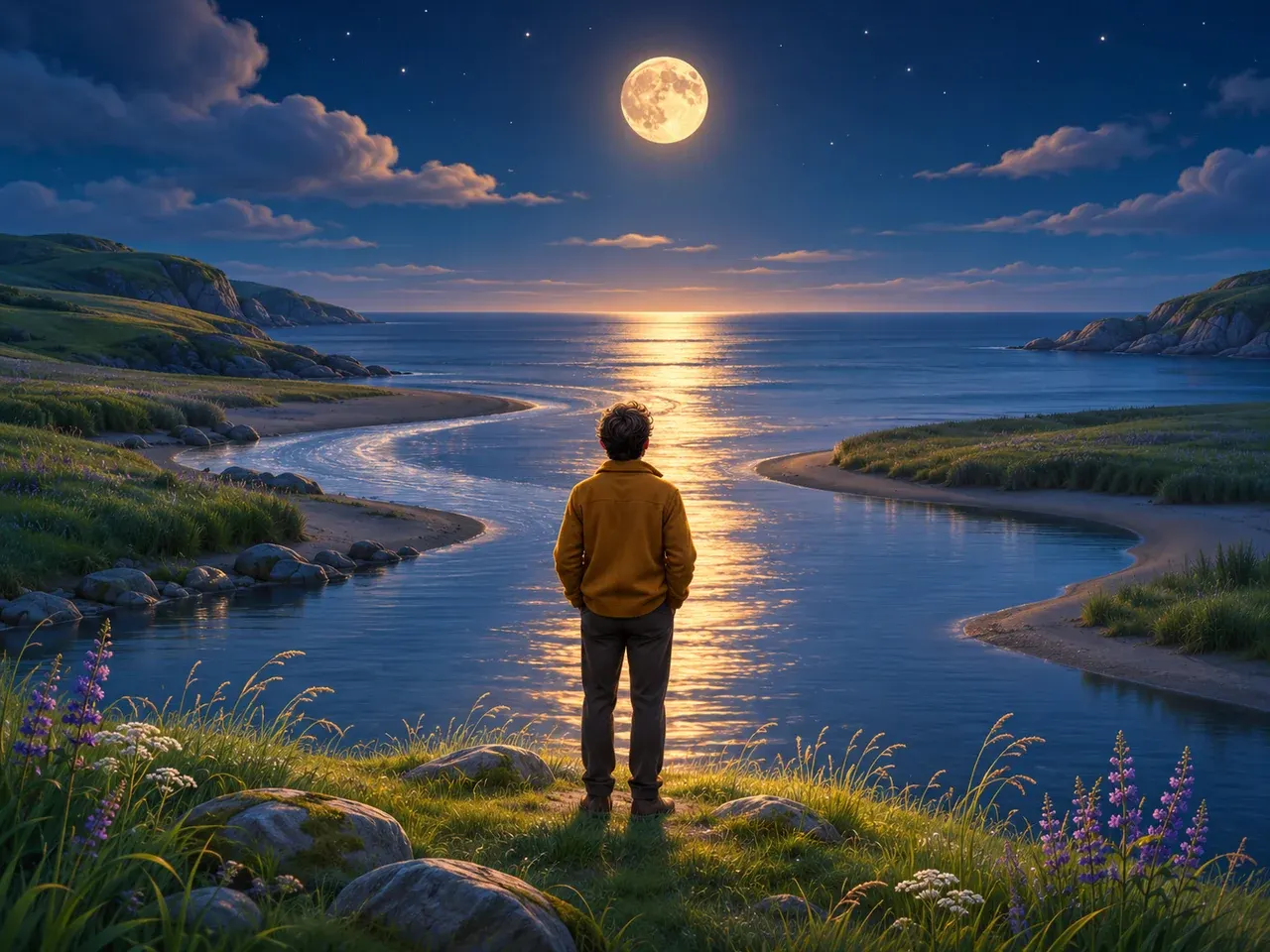
You wake with a vivid impression of water. Perhaps you were swimming through a turquoise sea where you could see every stone on the bottom. Perhaps you stood at the edge of a muddy river, tried to shut off a tap in a flooded bathroom or drank cup after cup without quenching your thirst.
Open three dream dictionaries and you might get three incompatible answers. Water entering a house can mean trouble in one book and a wealthy visitor in another. Swimming through a river can be a warning, a sign of good health or simply an image that helped your sleeping brain tell a story.
Start with three details from your own dream. What was the water like? What did you do in or around it? How did you feel when you woke? A scene that felt peaceful in the dream deserves to be read in that light.
A quick guide to water dreams
- What was the water like?
- Clear and cool water often brings to mind rest, renewal or a situation you can finally see clearly.
- Muddy or rusty water can evoke uncertainty, frustration or exhaustion. Notice if you made it out of the water or saw it clear.
- Rough seas or a huge wave can give shape to feelings that have become difficult to manage.
- Where were you and what were you doing?
- Swimming or breathing freely underwater may feel like finding your footing in an unfamiliar situation.
- Drinking cool water can echo the simple physical sensation of thirst.
- Crossing by bridge or boat often suggests a transition. Water spilling out of a tap or pipe may draw attention to what feels hard to contain.
- How did you feel? The same lake can feel peaceful to one dreamer and lonely to another. Your reaction tells you where to start.
Why water appears in dreams
Water is the most common of the four classical elements in dream reports
Calvin Hall and Robert Van de Castle developed a system for coding dream reports in the 1960s. Kelly Bulkeley later used the adult dream collections and a separate collection of 622 children's dreams to compare clusters of words. The water category covered 22 terms, including seas, rivers, rain, snow, ice and fog. Water appeared in 16.9% of the women's reports, 13.8% of the men's reports and 10% of the children's reports. Earth, fire and air each appeared less often across these samples. A count based solely on the word water, such as the example from the Dreamly app, will naturally be lower.
In Bulkeley's work on dream journals, water also appeared among the features associated with longer, more memorable dreams, alongside movement, speech, touch and strong emotion. Water changes shape, reflects light and gives a dreamer something to do. A single image can develop into an extended scene about crossing, swimming or trying to stay afloat.
Typical Dreams Questionnaire studies by Tore Nielsen, Michael Schredl and Jonas Mathes and other large samples put the share of people remembering a swimming dream at roughly one in three. Dreams about looking for a toilet were also common. Fewer respondents remembered floods or large waves. Around 17% in one survey remembered seeing their own reflection.

How thirst, wet skin and breathing enter a dream
A sensation from the room or the body can become part of a dream. Sleep researchers call this sensory incorporation.
- Water on the skin. In a 1958 experiment by William Dement and Edward Wolpert, sprays of cold water were incorporated into 42% of the trials in which the sleeper did not wake immediately. Light and sound appeared less often in the reports. Keith Hearne later reported a higher rate, around 60%, in a water-spray experiment. The sleeper might dream about a leak or a sudden downpour.
- Thirst. In another set of experiments, roughly a third of REM reports after fluid restriction featured water or drinks. Edwin Bokert later studied 18 nurses and found that participants who reported satisfying their thirst in the dream drank less after waking than those who remained thirsty in the dream.
- A full bladder. Freud noted that the urge to use the toilet could find its way into dreams as a running stream, foaming water or a seemingly endless search for a bathroom.
- Interrupted breathing. Clinical reports discussed by Ahmed BaHammam and Michael Schredl include people with sleep apnea who dreamed of drowning or struggling for air. Some reported improvement after treatment. Repeated dreams of suffocation alongside loud snoring, waking up gasping or persistent daytime fatigue are worth discussing with a healthcare professional.
When a wave gives shape to strong feelings
The continuity hypothesis, associated with researchers including Hall, William Domhoff and Schredl, proposes that waking interests and emotions carry over into dreams. Ernest Hartmann described a striking central image, such as a tidal wave, as a way a dream can convey an emotion. George Lakoff's work on metaphor offers another way to think about these images. Many of us already say we are in over our heads, going with the flow or drowning in work.
Carl Jung associated water with the unconscious. Marie-Louise von Franz used it to talk about what happens when feelings have little room in daily life. James Hillman, Medard Boss and Gaston Bachelard also drew attention to the qualities of the water itself. Is it flowing, stagnant, frozen or moving beyond your control? The detail can give you a good question to ask about the week you have just had.


Clear, muddy, calm or rough water
Clear water
Seeing the bottom through clear blue or green water can bring a sense of relief, rest or openness. Bachelard wrote about the freshness associated with clear water. People who describe this kind of dream online sometimes say it felt like a short holiday.
Gustavus Hindman Miller links clear water with pleasure and prosperity. Slavic sayings and the collections associated with Martyn Zadeka and Yevgeny Tsvetkov connect it with joy and health. In interpretations attributed to Ibn Sirin and al-Nabulsi, fresh water can signify faith, lawful earnings or healing. The Duke of Zhou tradition associates it with prosperity and peace at home.
Muddy water
A muddy stream makes it hard to see where you are stepping. It can be a good image for a decision that feels unclear or an irritation you have been putting aside. Miller and several folk traditions link dirty water to worries or quarrels. The details often change the reading, though. For al-Nabulsi, getting out of muddy water can signify relief from trouble. Miss Hasse gives a warm reading to swimming in a muddy river alongside a loved one. In the Duke of Zhou collection, removing sludge from a well can suggest improving one's prospects.
Folklorist Anna Lazareva records dreamers who singled out the moment the water changed colour. If it went from clear to cloudy, recall what happened just before the change. If it cleared or you reached dry ground, think about what helped you get there.
Calm water, storms and big waves
Still water may evoke safety and control in David Loff's approach. If the stillness feels uncomfortable, it could also remind you of something that has stopped moving. A storm can fit a period of overload or change. A Gestalt exercise inspired by Fritz Perls is to describe the scene first as the boat, then as the storm. Each side may have something different to say about what has been difficult lately.
The dream books disagree here too. A traditional Russian collection describes stormy seas as temporary difficulties that friends can help you through. The Duke of Zhou tradition treats dark seas as a reason for caution. In Miller's entry on waterfalls, turbulent water is associated with getting what you hoped for.
Cold, warm and hot water
Cool water often feels refreshing. Pleasantly warm water in a bath or pool may be connected with the desire to rest. Ice and frozen water can evoke numbness or emotional restraint. In some traditional readings, scalding water represents anger, strain or illness. Think about what the temperature felt like in the scene and whether anything in the room might have affected it.


The sea, a river, a well or water in the house
The sea or ocean
A calm sea can feel like a break from daily demands, especially if you remember the sound of the waves or the sense of space on the shore. Miller gives two different readings in his entries for Sea and Ocean. The sound of the sea can suggest longing in the first entry, while a calm ocean brings favourable prospects in the second. Sailing with a loved one is a happy exception to the melancholy reading of the sea.
Tsvetkov associates looking at the sea with news from far away, walking along the coast with travel and a voyage with major changes. The Duke of Zhou collection connects open water with opportunity and ships with arrivals or visitors. Islamic dream traditions sometimes link the sea with knowledge or authority and seeing its floor with getting out of debt.
A river, stream, bridge or boat
A flowing river can bring to mind time passing and the work of getting from one stage of life to another. In the Talmud, Berakhot 56b associates a river with peace, drawing on the image in Isaiah 66:12. Tsvetkov reads a stream as a change for the better.
Pay attention to how you cross. Wading through clear water can be favourable in Miller and Artemidorus. A boat on a calm river is linked to prosperity in Miller and the Duke of Zhou collection. A sturdy bridge can evoke a workable way forward. In one Slavic winter custom, a girl put a small bridge made of twigs under her pillow so a future spouse would take her across a river in her dream.
A lake, pond, spring or well
A full lake can suggest a reserve of energy or a pause after a demanding period. In some Ayurvedic texts, quiet ponds with lotuses and birds are associated with the kapha constitution. A clear spring often has associations with renewal across traditions.
In the Talmud, different sages read a well as peace, wisdom or long life. Full wells in Miller and the Duke of Zhou collection are associated with prosperity, while an empty well can suggest that resources have been used up. Notice whether the water was within reach and how it felt to see it.
A tap, a bath or a flooded room
Water inside a home can grow out of a physical sensation, such as warmth under the covers, a full bladder or the sound of pipes. The setting can also bring personal boundaries to mind. A tap you can open and close feels different from a burst pipe you cannot stop. A bath or clean pool may evoke rest in a place where you feel secure.
The old readings vary. Miller and Tsvetkov associate water welling up through the floor with difficulties. Artemidorus and the Duke of Zhou collection give favourable readings to clear water flowing into a home. A glass, bucket or pitcher holds water for use, a distinction that mattered to Hillman. In some traditions, offering someone a clean cup of water or watering a garden is an image of domestic care.


Swimming, diving, drowning or drinking
Swimming and bathing
Around a third of people in typical-dream surveys remember swimming in a dream. Effortless swimming can be a pleasant way of experiencing confidence or freedom. Swimming against a current may draw attention to a task that has been taking more out of you than expected. Swimming with someone else can bring your feelings about that relationship into focus.
Diving and breathing underwater
Going under willingly can feel like exploring something you normally keep out of view. Breathing comfortably underwater often gives a dreamer an unusual sense of freedom. Think about whether you were curious, playing or looking for something, and whether you wanted to stay below the surface.
Drowning and getting to safety
A drowning dream can echo workload, debt or the feeling of being responsible for too many people at once. People who have had a frightening experience in deep water may also recognise the scene as an old memory returning under stress. Repeated dreams of struggling for air can sometimes accompany interrupted breathing during sleep.
Traditional accounts give sharply different readings. One Islamic interpretation associates drowning in a river with an abundance of blessings. The Little Veles collection gives a favourable reading to drowning in clean water. Miller associates being rescued or rescuing someone else with improvement in circumstances. If you reached shore or someone helped you, consider what that moment meant inside the dream.
Drinking water
Thirst is a straightforward possibility. Many dream books associate clean, cool drinking water with health, relief or recovery after hardship. The feel of the water matters. A refreshing drink, a cup you cannot reach and water that tastes spoiled are three distinct experiences.
Seeing your reflection
A reflection can bring questions about identity and how you see yourself. Look at what was familiar or strange about the face you saw. If the surface kept changing, recall what you felt as the image came into focus or disappeared.
A summary of common water dreams
| Dream scene | Favourable reading in dream traditions | Worry associated with it | A way to reflect on it |
|---|---|---|---|
| Clear water | Joy, rest or peace at home | Few common warnings | What feels clear or refreshing right now? |
| Muddy water | Emerging from trouble or seeing through an illusion | Disputes, confusion or exhaustion | Where is it hard to see your next step? |
| Calm sea | Good news or new prospects | Longing in Miller's Sea entry | Did the space feel restful or lonely? |
| Storm or great wave | Help through a difficult period or a breakthrough | Pressure or worries about loved ones | What has been demanding your attention? |
| River, bridge or boat | Peace, a new stage or a union | Delays or an unsafe crossing | How did you move from one bank to the other? |
| Lake, spring or full well | Wisdom, renewal or a reserve of strength | Separation or depleted resources in some readings | Was the water available to you? |
| Water in a house | A visitor, income or news in some traditions | Trouble at home or a leak that cannot be stopped | Consider bodily cues and the feeling of losing control. |
| Swimming | Vitality, connection and success | Danger in some older texts | Did moving through the water feel easy? |
| Drowning and rescue | Relief, abundance or help arriving | Loss, distress or fatigue | Consider daily pressure and whether you woke short of breath. |
| Drinking clean water | Relief or renewed strength | Older warnings concern hot or spoiled water | You may actually have been thirsty. |


Why dream books, religions and folk beliefs disagree
Where the dream books come from
European and Russian dream books draw in part on two older traditions, the second-century Oneirocritica of Artemidorus and the Byzantine Oneirocriticon attributed to Achmet. These were copied, translated and combined with local traditions over centuries. Books attributed to Martyn Zadeka also circulated in this landscape.
Miller was a businessman from Chattanooga who published What's in a Dream in 1901, later circulated as Ten Thousand Dreams Interpreted. The entries for Sea and Ocean show how different word choices can lead to different readings even within a single book. Miss Hasse's collection appeared in Warsaw in 1912 and reflects Central European readings. Tsvetkov's 1993 collection draws on Slavic tradition. Loff's approach puts more emphasis on the experience of being in the dream.
Freud criticised fixed dream codes and emphasised personal associations in The Interpretation of Dreams. Alphabetical internet guides marketed under his name or attributed to Vanga can have a very different origin from the material that made each person famous. For more on these collections, see our guide to Miller, Vanga, Freud and Juno.
Water across cultures
- Jewish tradition. In Berakhot 55a–57b, dreams are connected with what is already on a person's mind, and spoken interpretations can shape what the dream means to them. Someone who dreams of a river is encouraged to remember the reassuring image of peace flowing like a river.
- Christianity. In the Gospel of John, living water evokes renewal and grace. Many Christian writers also cautioned against divination and recognised ordinary causes of dreams, including food, drink, fatigue and worry.
- Islam. Classical interpreters distinguish between welcome dreams, disturbing dreams and scenes shaped by everyday thoughts and bodily experience. Water can be associated with life, learning, purity and honest provision.
- Indian traditions. In the Atharvaveda, water offers protection and washing can mark a fresh start after a bad dream. Ayurvedic texts regard many dreams as reflections of daily impressions and desires, with no predictive role.
- Chinese and Tibetan traditions. In Chinese thinking on the five phases and in the Duke of Zhou tradition, water is associated with vitality, wealth and wisdom. Tibetan dream practices use images such as a wave or an ocean to reflect on the nature of dreamed experience.
- Slavic folklore. The Russian words voda (water) and beda (trouble) rhyme, which helps explain one familiar saying. Fieldwork also records people attaching favourable meanings to clean water, bathing and reaching the bank safely. The details of the scene and the dreamer's feelings matter even within a single culture.
An example of reading two water dreams together
A woman described two dreams in which the same element brought out quite different feelings. In the first, rain and fountains filled the street. She ran outside and danced while her mother and husband watched from the windows. Her difficult relationship with her mother gave the scene particular significance. The psychologists who discussed the dream saw the dance as a possible expression of freedom and permission to enjoy herself.
In the second dream, friends jumped into a muddy river while she stayed on the bank, afraid of getting dirty or ill and carrying a heavy stack of books. One friend emerged and hugged her, and she felt surprisingly cool and refreshed. The books suggested how she held on to intellectual control, and the friend's embrace offered an image of contact and ease. Her own circumstances connected the two dreams more closely than any fixed entry for rain or a muddy river could.
Four things to try after a water dream
Counselling psychologist Clara Hill's approach to dream work moves through exploration, insight and action. Here is one way to apply those steps after waking.
- Check how you feel physically. Have a glass of water if you are thirsty. Think about how warm the bedroom was, whether your nose was blocked or whether you woke needing the toilet.
- Describe the scene in your own words. Was the water clear, cloudy, warm or cold? Were you on dry land, swimming or fighting a current? Write down the feeling that stayed with you.
- Connect one detail to the week you have had. Ask whether the dream pictured a familiar expression, such as drowning in work. Or imagine the river or wave speaking in the first person. What would it ask for?
- Choose one small, concrete action. Make room for rest, clarify a difficult conversation or write down a boundary you want to set. If you still feel shaken, the nightmare guide offers a few things to try after waking.
Frequently asked questions
What does a large amount of clear water mean?
A big, clear lake or sea often brings up ideas of rest, openness and energy. It may be worth noticing which of those feelings you could use more of in waking life.
Do women and men have different water dreams?
The women's reports contained water somewhat more often than the men's reports in the dataset Bulkeley analysed. A particular image has no fixed meaning based on gender. The scene, your memories and your emotions give you more to work with.
Why do I keep dreaming about the sea?
Water may be familiar and meaningful to you, or the same scene may keep returning while a concern feels unresolved. A dream journal can help you see what changes from one dream to the next. If you wake gasping or regularly feel unrested, pay attention to those physical symptoms.
What if it was a flood or tsunami?
A disaster dream may feel very different from a swim or a quiet river. A destructive wave can give form to sudden loss, upheaval or helplessness. Read about dreams of floods and other disasters for a closer look.
Are water dreams a sign of pregnancy?
Water has long been associated with birth and care in popular and psychological writing. A dream cannot tell you if you are pregnant. Our article on dreams about pregnancy, birth and children explores the symbolism and why these dreams sometimes feel especially vivid.
What to take from a water dream
Water is a common dream image, and sensations such as thirst or a drop on the skin can help shape it. The quality of the water, your actions and your feelings offer a starting point. Old traditions can give you ideas to consider, especially when you read more than one account. If a dream suggests something you can address while awake, choose a small action you can take today.
Describe your own scene in the dream interpreter if you would like help reflecting on it. You can also write out what is weighing on you or draw your three cards for the day.
Read next

Dreams from Thursday to Friday and what each night of the week means
Where the Friday dream belief comes from, what folklore says about all seven nights, and why vivid dreams can feel like predictions.

Dreams about teeth and hair falling out: beyond the bad omen
What research suggests about jaw sensations and teeth dreams, where frightening folk meanings come from, and how to explore appearance, change and vulnerability.